
Art, Fashion, and the Alien Wardrobe State of Mind
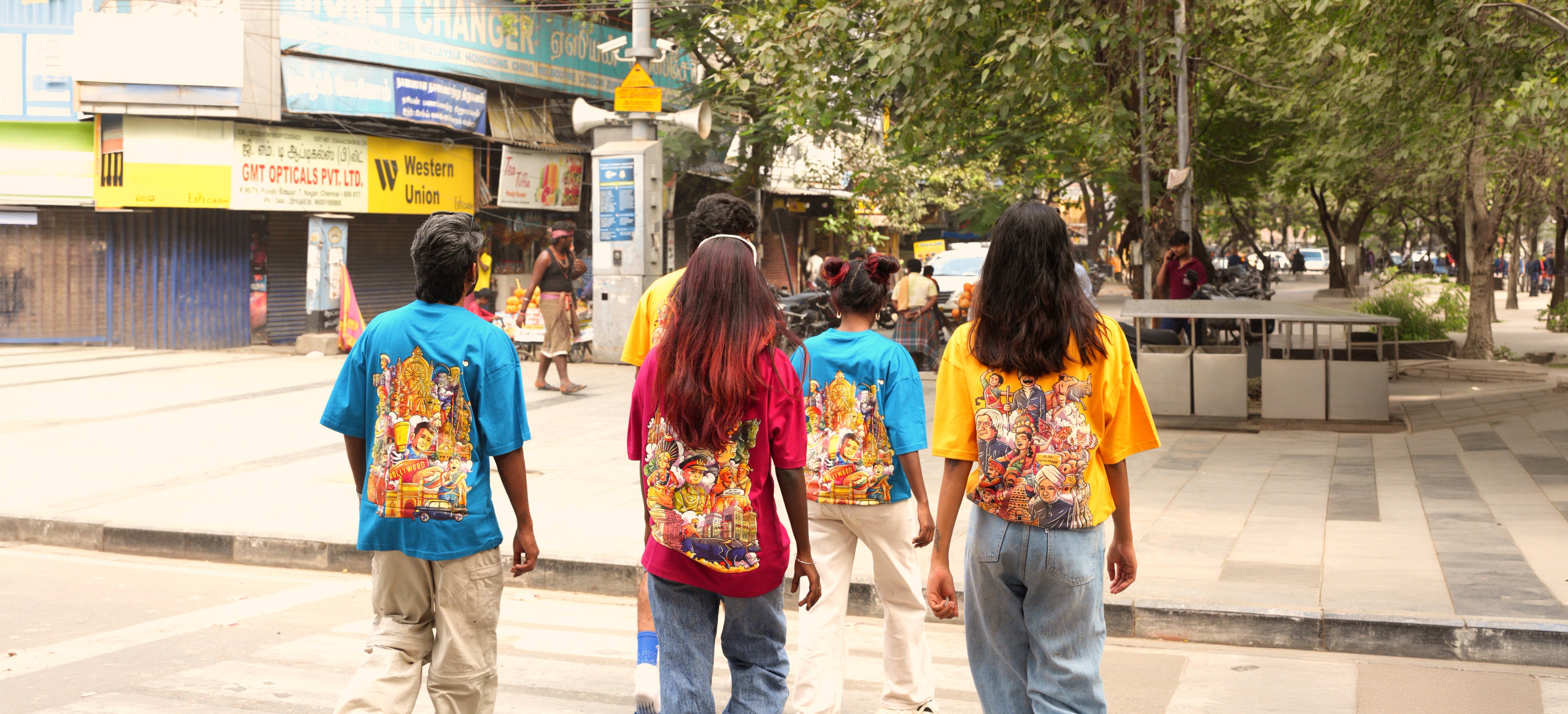
Fashion has never existed alone. It has always borrowed from the world around it—sometimes politely and sometimes like a friend who takes your hoodie and slowly decides it belongs to them. Music, cinema, street culture, architecture, politics, technology, and art have all shaped the way people dress. A garment may begin as fabric, but it becomes fashion only when it carries an idea. That idea is often born far outside the wardrobe, in the places where culture is moving before the mainstream knows what to call it.
Art has always been one of fashion’s closest collaborators because both are trying to do the same thing in different languages. Art turns emotion into visuals. Fashion turns identity into something you can wear. A painting can capture a feeling, a sculpture can challenge how we see form, and a piece of clothing can tell the world who we are before we even speak. When these worlds meet, fashion stops being only about trends and starts becoming a cultural statement.
Why Art ![]() Matters to Fashion
Matters to Fashion
This is why art matters so deeply to modern fashion. In a world where trends move faster than people can emotionally process them, art gives fashion depth. It slows the conversation down just enough to ask what a design means, where it comes from, and why it exists.
A graphic on a T-shirt is no longer just decoration when it carries mythology, rebellion, humor, memory, or imagination. A silhouette is no longer just a fit when it reflects architecture, movement, or cultural history. Art gives fashion a soul, which is helpful because without it, clothing can very quickly become just another product waiting for a discount code.
Culture as Fashion’s Engine
Culture plays an equally important role because fashion is never only personal—it is also social. What we wear is influenced by the cities we live in, the music we listen to, the films we love, the communities we belong to, and the stories we inherit.
Streetwear did not become powerful because it followed fashion rules. It became powerful because it came from culture first. It carried the energy of neighborhoods, artists, skaters, musicians, and young people who were not waiting for permission from luxury houses to decide what was cool.
That shift changed everything. Fashion no longer belongs only to runways and glossy campaigns. It belongs to people who remix references, build identities online, create aesthetics overnight, and turn everyday outfits into cultural signals.
Gen Z and Gen Alpha understand this instinctively. They do not simply buy clothes; they build worlds around them. A look can be futuristic, nostalgic, ironic, emotional, chaotic, clean, or all of the above before lunch. Somehow it makes sense, mostly because culture today is not linear. It is a moodboard with Wi-Fi.
The Alien Wardrobe Perspective
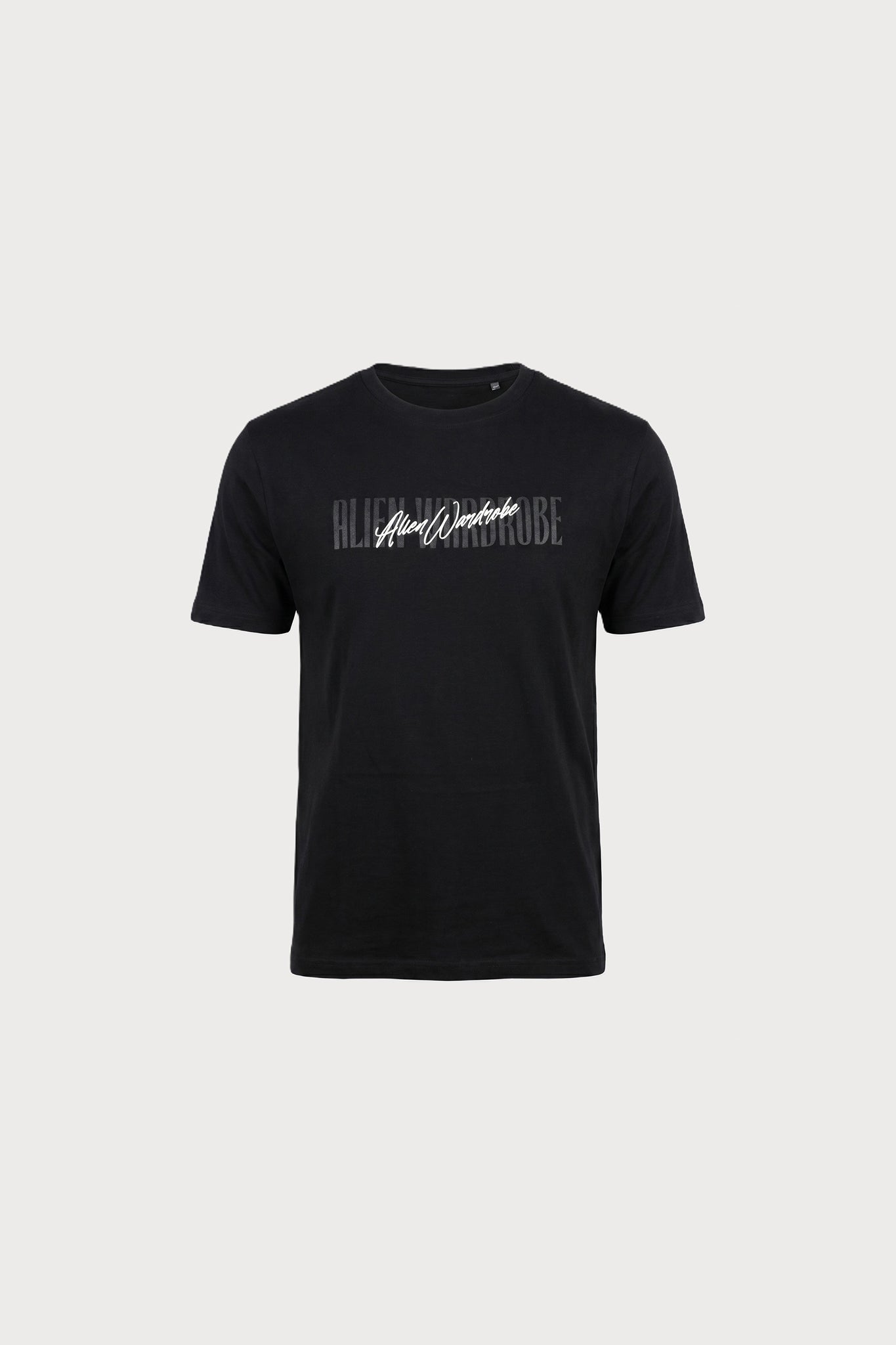
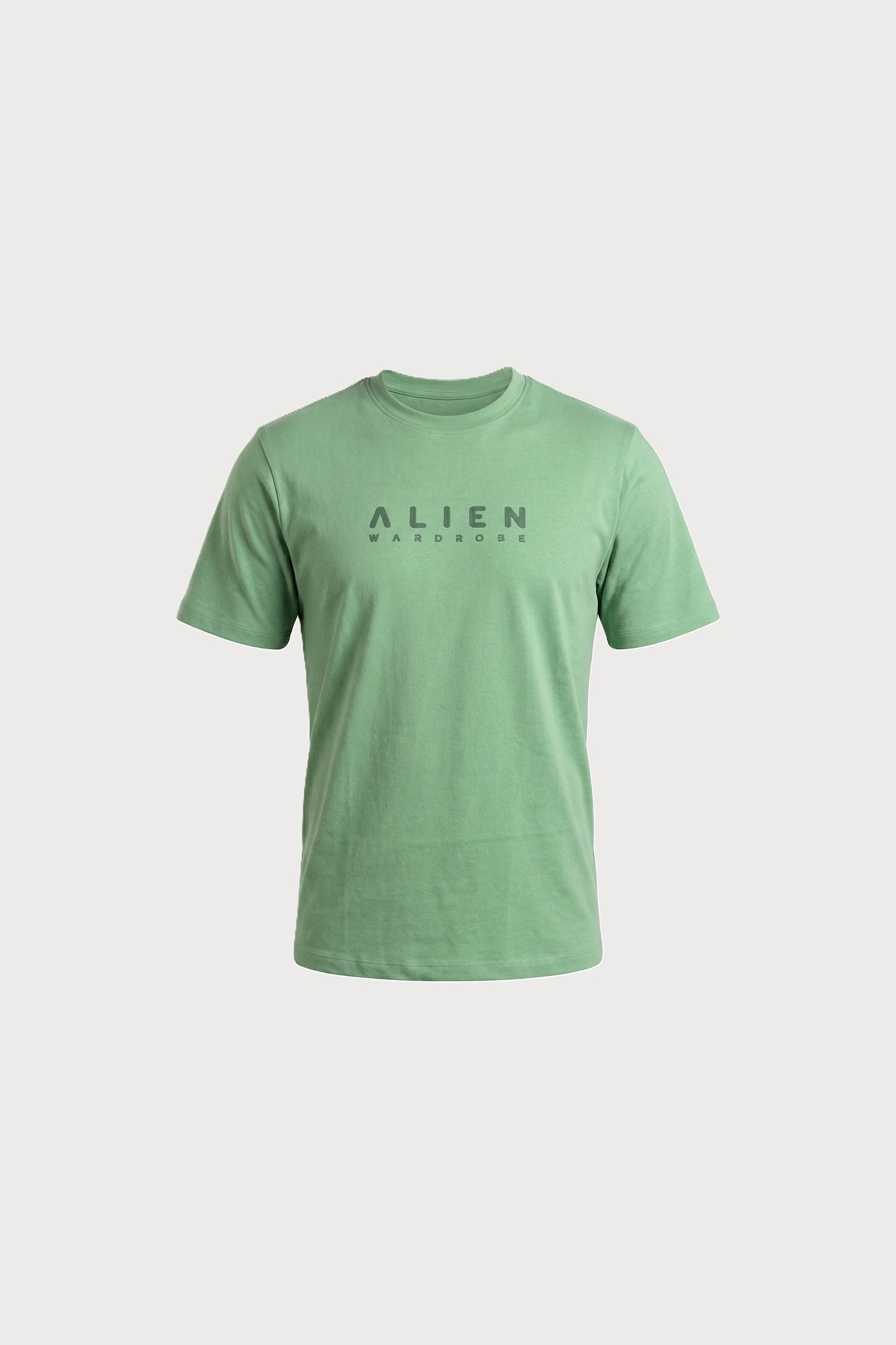
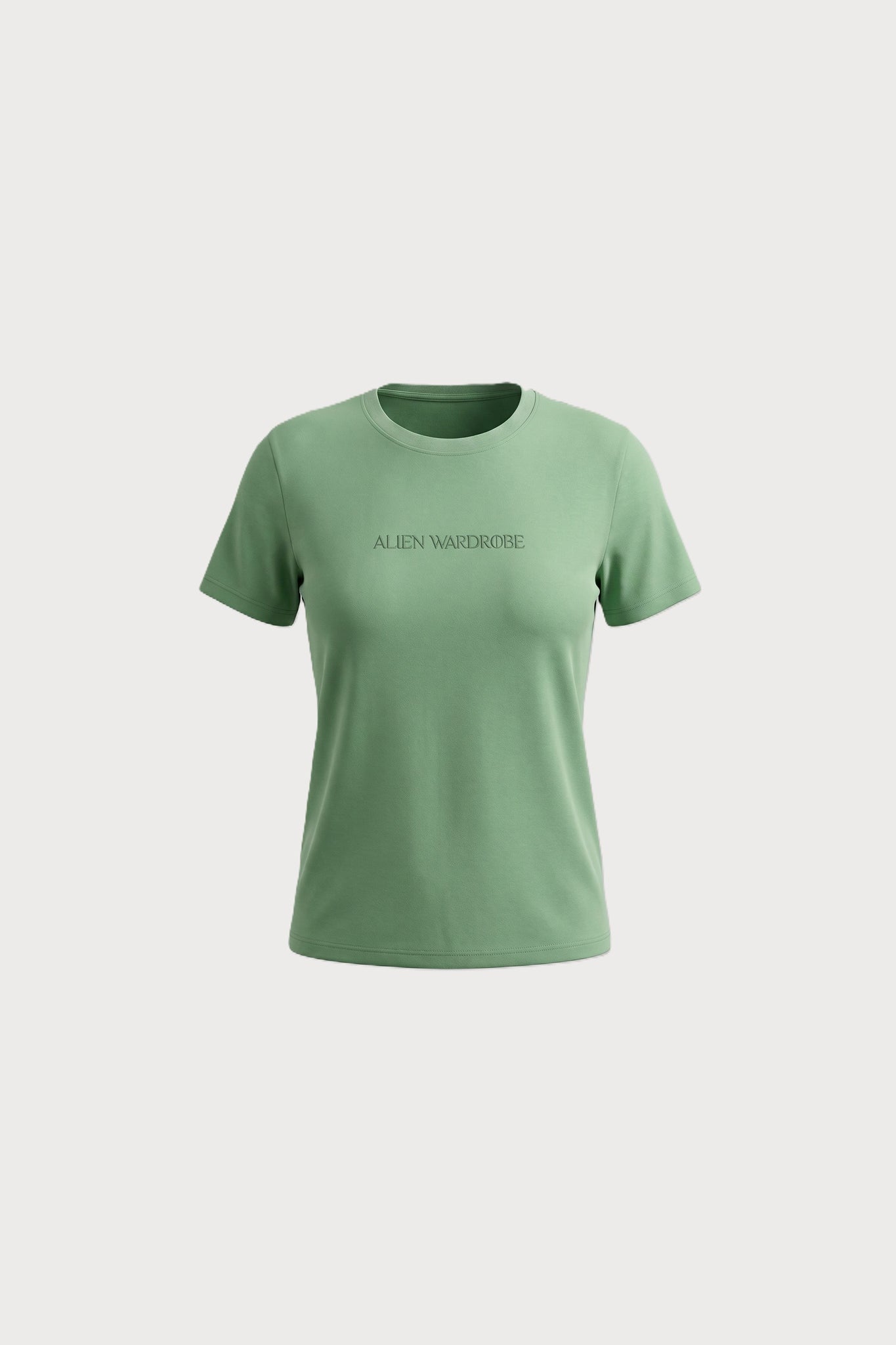
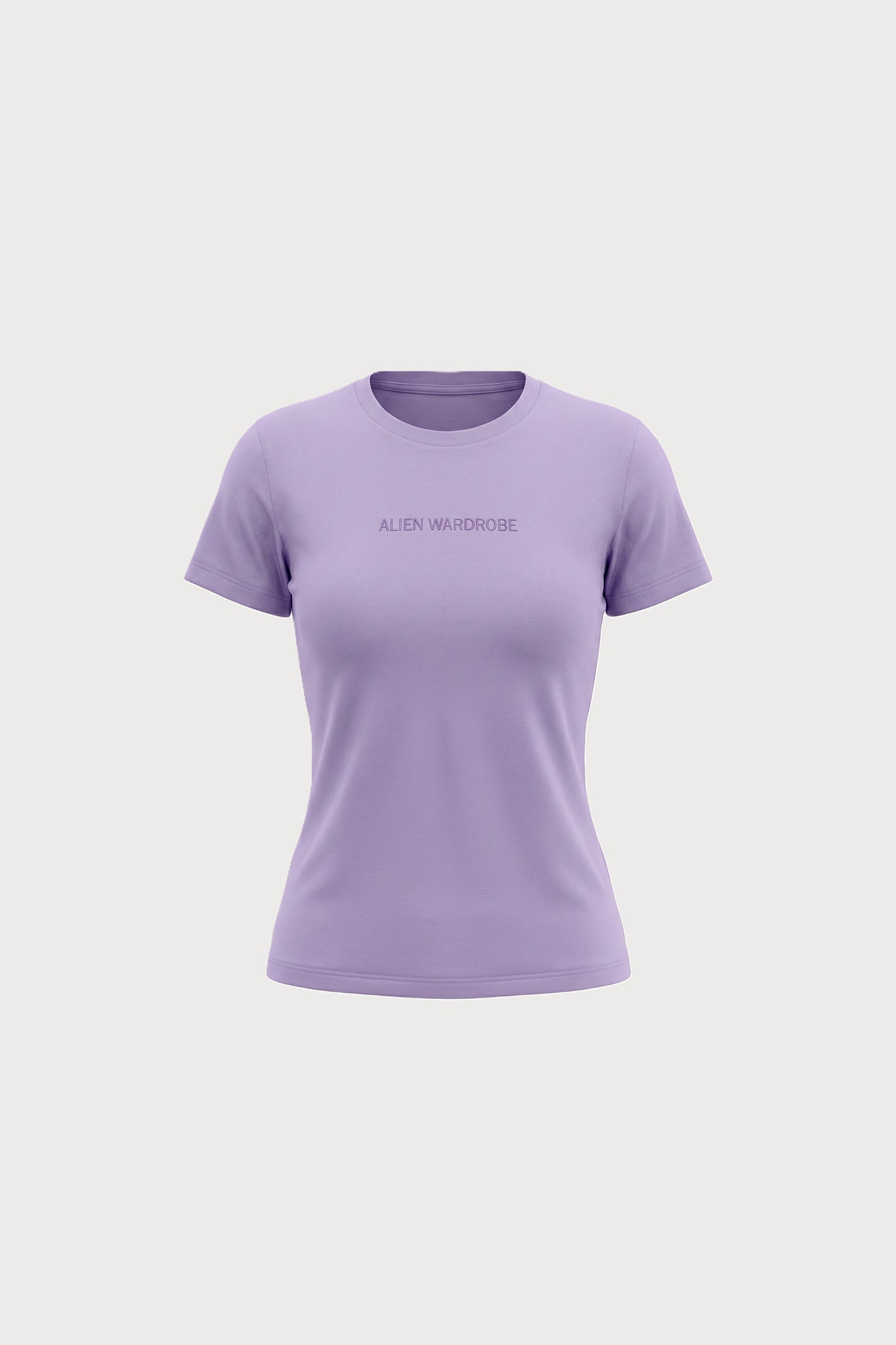
For Alien Wardrobe, art is not an accessory to fashion. It is part of the foundation. The brand itself was built around an imaginative visual universe, from the alien identity to the idea of eco-futuristic fashion that looks beyond the usual language of sustainability.
Alien Wardrobe’s own brand story describes fashion as a playground and sustainability as a superpower, which already places the brand in a world where style, imagination, and responsibility are meant to exist together. The alien is not only a logo; it is a creative perspective—a way of looking at Earth, culture, and clothing with fresh eyes.
This matters because sustainable fashion cannot depend only on facts. Facts are important, but facts alone rarely make people fall in love with a garment. People connect with stories, symbols, colors, graphics, and ideas.
They remember the print that felt like a universe. They remember the artwork that made a hoodie feel personal. They remember the design that made them feel like they belonged to something slightly bigger, stranger, and more interesting than a shopping cart.
Making Sustainability Inspiring
Art also helps sustainability feel less serious and more alive. For too long, responsible fashion has been trapped in a visual language of muted tones, minimal labels, and quiet guilt. That version has its place, but it is not the only future.
Sustainability can be bold. It can be colorful. It can be funny, surreal, rebellious, emotional, and deeply stylish. If fashion is going to change, it cannot only tell people what not to do. It has to give them something exciting to move toward.
That is where Alien Wardrobe has room to build something distinct: a culture where clothing feels collectible, expressive, and intentional. A world where art is not printed on fabric just to make it look busy, but used to tell stories about identity, planet, imagination, and the future.
The goal is not to make fashion that looks like everyone else’s version of cool. The goal is to create pieces that feel like they came from a different way of thinking.
The Future of Fashion
The future of fashion will not be shaped only by better materials or better production, although both are necessary. It will also be shaped by better ideas.
Art gives fashion those ideas. Culture gives those ideas meaning. And when both come together, clothing becomes more than something we wear—it becomes something we participate in.
Alien Wardrobe exists in that space between expression and responsibility, between street culture and sustainability, between Earth and whatever stylish planet our alien friends are probably judging us from.
The point is not to separate fashion from art or culture. The point is to recognize that fashion becomes powerful when it carries both. Because the clothes that last in people’s memories are rarely the ones that only followed a trend. They are the ones that made people feel something, say something, and become part of a story worth wearing.
Read more
I still remember going shopping with my parents as a child. It wasn't something that happened every weekend, and it certainly wasn't something we did because we were bored. Buying clothes was usual...
Every brand begins with an idea, but not every idea survives long enough to become something real. Ideas are exciting in the beginning because they cost nothing. You can imagine them in a conversat...