When Did We Stop Caring About Our Clothes?

I still remember going shopping with my parents as a child. It wasn't something that happened every weekend, and it certainly wasn't something we did because we were bored. Buying clothes was usually connected to a reason. A festival was coming. A wedding had been announced in the family. School was reopening. Sometimes it was simply because the clothes we already had had done their job for a few years and it was time for something new. Looking back, most families probably bought fewer than ten outfits a year, yet somehow those clothes felt more important than many of the things hanging in our wardrobes today.
The shopping experience itself was completely different. People touched fabrics before looking at price tags. Parents checked stitching, seams, buttons, and durability. Store owners spoke about material quality with pride because customers genuinely cared. The conversation wasn't about trends moving at internet speed. It was about whether the garment would last, whether it would stay comfortable after repeated washes, and whether it justified the money being spent. Nobody used words like sustainability, circular fashion, or conscious consumption. Those ideas existed, but they existed in practice rather than in vocabulary.
Many of those clothes became part of our memories. The shirt worn every Diwali for years. The dress carefully stored after a family function. The jacket that appeared in old photographs long after it had gone out of style. The value of those garments wasn't measured by how fashionable they were at a particular moment but by how naturally they became part of our lives. They travelled with us through birthdays, celebrations, vacations, and ordinary afternoons that eventually became memories.
Then the world changed. Fashion became faster than it had ever been before. New collections started appearing every few weeks, trends began living shorter lives, and shopping became available at the touch of a screen. What once required planning suddenly became impulse. What once required consideration suddenly became convenience. We gained access to more choices than any generation before us, but somewhere along the way we started losing our relationship with the things we were buying.
Today many wardrobes are fuller than ever, yet it is surprisingly common to hear people say they have nothing to wear. It sounds contradictory until you realize that ownership and connection are not the same thing. We own more garments than previous generations, but we spend less time choosing them, less time understanding them, and often less time wearing them. Clothes arrive quickly, trends move quickly, and before long something else is competing for our attention.
This is one of the reasons conversations around sustainable fashion have become increasingly important. Not simply because sustainability has become part of the conversation, but because it encourages us to think differently about what we choose to wear and why. Where did this come from? What is it made of? How long will it last? Is this something I genuinely want to own, or is it simply something I want to buy?
For a long time, fashion and responsibility were often treated as opposites. Today, they no longer have to be. The most exciting shift is not just that sustainability is becoming necessary, but that it can also be expressive, relevant, and desirable. These questions are not about returning to the past. They are about shaping a better future for fashion.
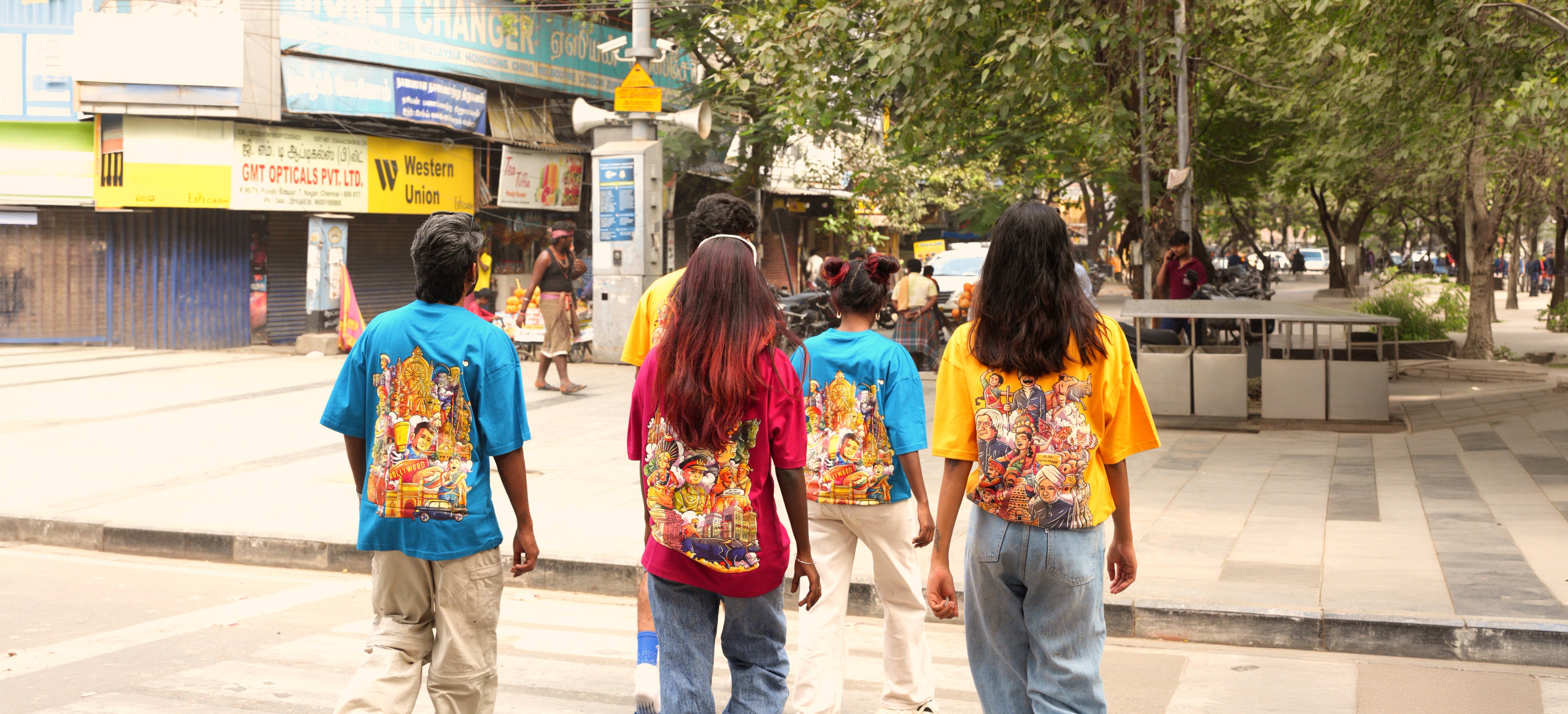
At Alien Wardrobe, we often find ourselves reflecting on those older habits. Not because we want to recreate the past, but because there is wisdom in remembering what was valuable about it. Quality